
The blog · The guide
How to take your measurements, without getting it wrong.
Published 10 October 2026
A clothing size means nothing: a 10 in one brand is an 8 in another. What does not vary is your body. Once your measurements are taken — ten minutes, a soft tape measure, a mirror — you order less, you return less, and you know why a garment fits or does not.
The basic rule is the same for all of them: the tape touches the body but never compresses it, it stays horizontal (except for lengths), and you stand tall and relaxed. No assistant needed: a mirror and a little shoulder gymnastics are enough.
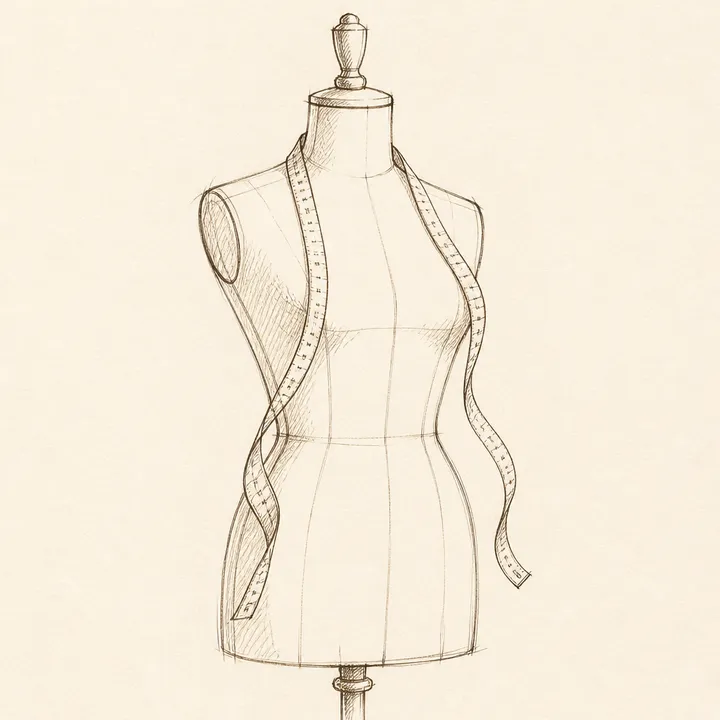
The six measurements that are enough
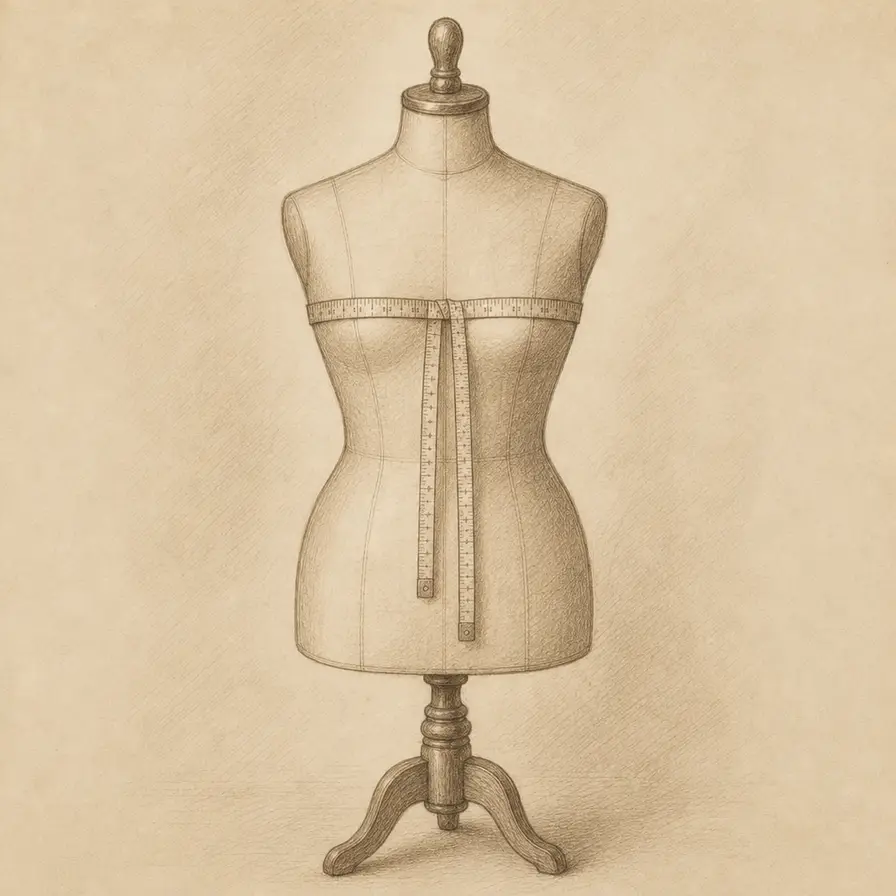
- Chest
- Tape horizontal at the fullest point of the chest, arms at your sides, without pulling tight. Breathe out normally: no need to puff up, the tape is not a jury.
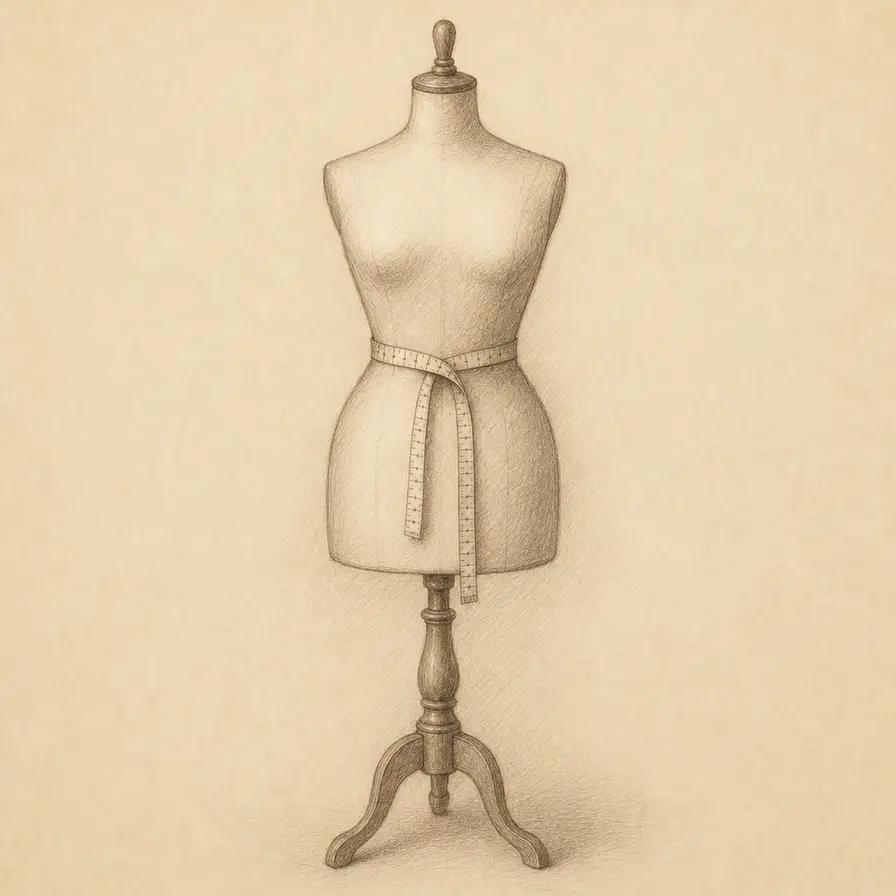
- Waist
- It is the hollow between the ribs and the hips, where the torso bends when you lean sideways. Keep the tape soft: slide a finger between the tape and the body.
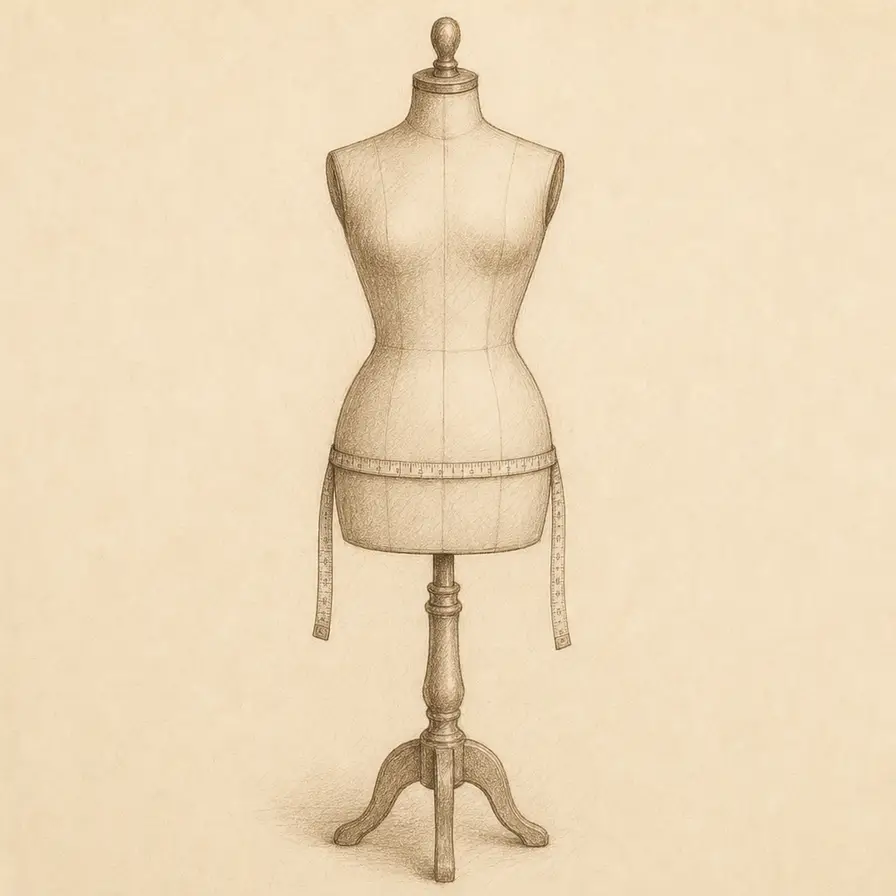
- Hips
- Feet together, at the widest point of hips and bottom, tape always horizontal.
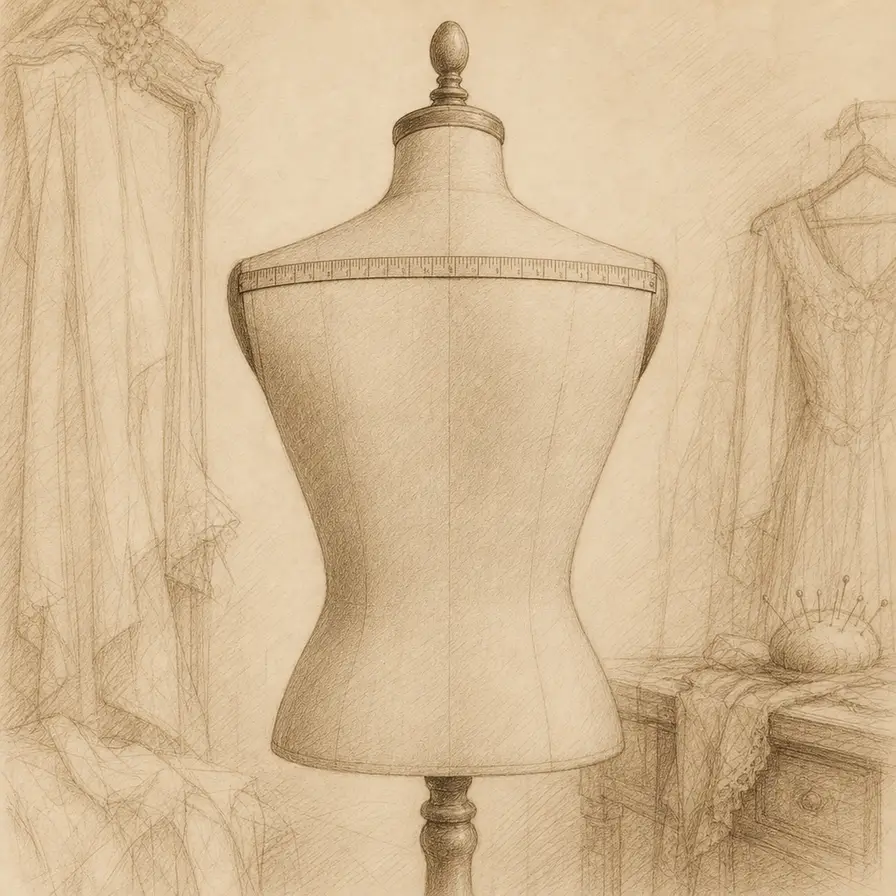
- Shoulder width
- From the bone of one shoulder to the bone of the other (the acromion, the bump you feel at the edge of the shoulder), back straight, tape laid across the back.
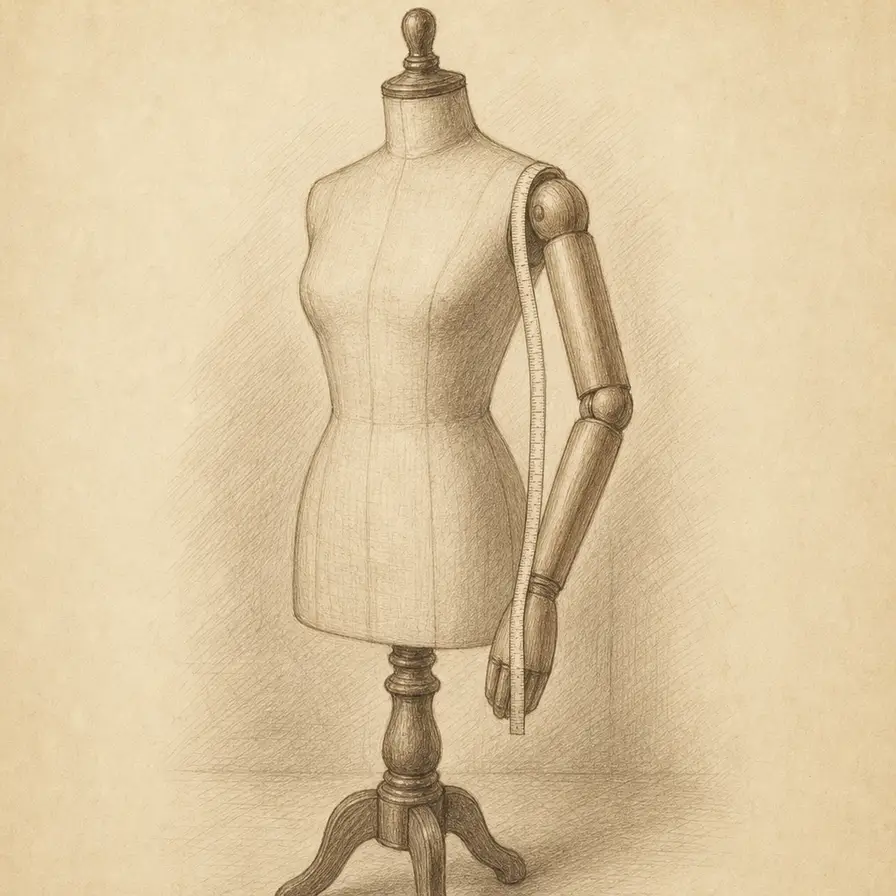
- Arm length
- Shoulder slightly bent, from the tip of the shoulder bone to the wrist bone, arm along the body.
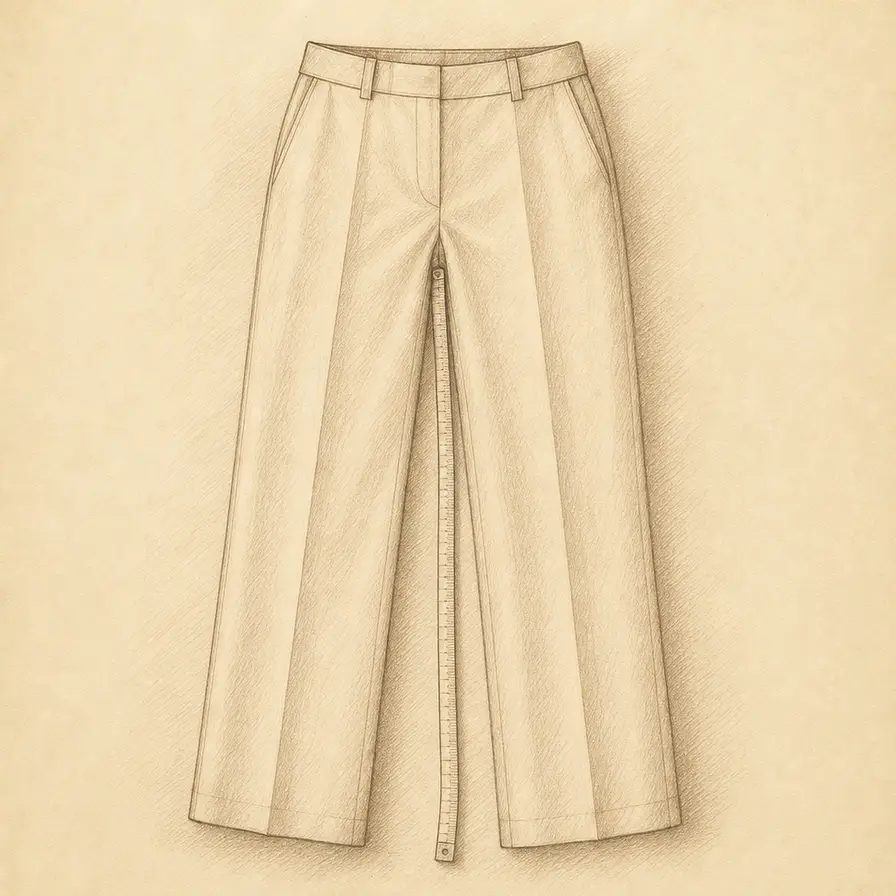
- Inseam
- From the top of the inner thigh down to the ankle, barefoot, legs slightly apart. It is the measurement that decides the length of a pair of trousers.
Three mistakes to avoid
- Taking your measurements over thick clothes. A three-millimetre sweater adds three centimetres everywhere. Measure yourself in underwear or a thin t-shirt.
- Pulling the tape tight “to be sure”. A tape that digs into the skin gives a waist off by a whole notch. Soft, always.
- Measuring only once. Do each measurement twice: if the gap is over a centimetre, take a third. It costs twenty seconds and spares the bad surprises at delivery.
And then?
True measurements are mostly for comparing: against the size of your favourite t-shirt, a brand’s size chart, or the pieces you already wear. They are also what makes it possible to try an outfit before wearing it — to see a look on a silhouette like yours rather than on a model.
That is exactly the role of your measurement profile at FashionFast : you fill it in once, at your own pace, and the buying advice and the outfits take it into account. The guide stays here if a measurement escapes you.
And to fill the wardrobe, everything starts from the photo: photographing your clothes well spares you misread pieces — and outfits that disappoint.